Draft preview — not published. Call (956) 303-2209 to confirm availability.

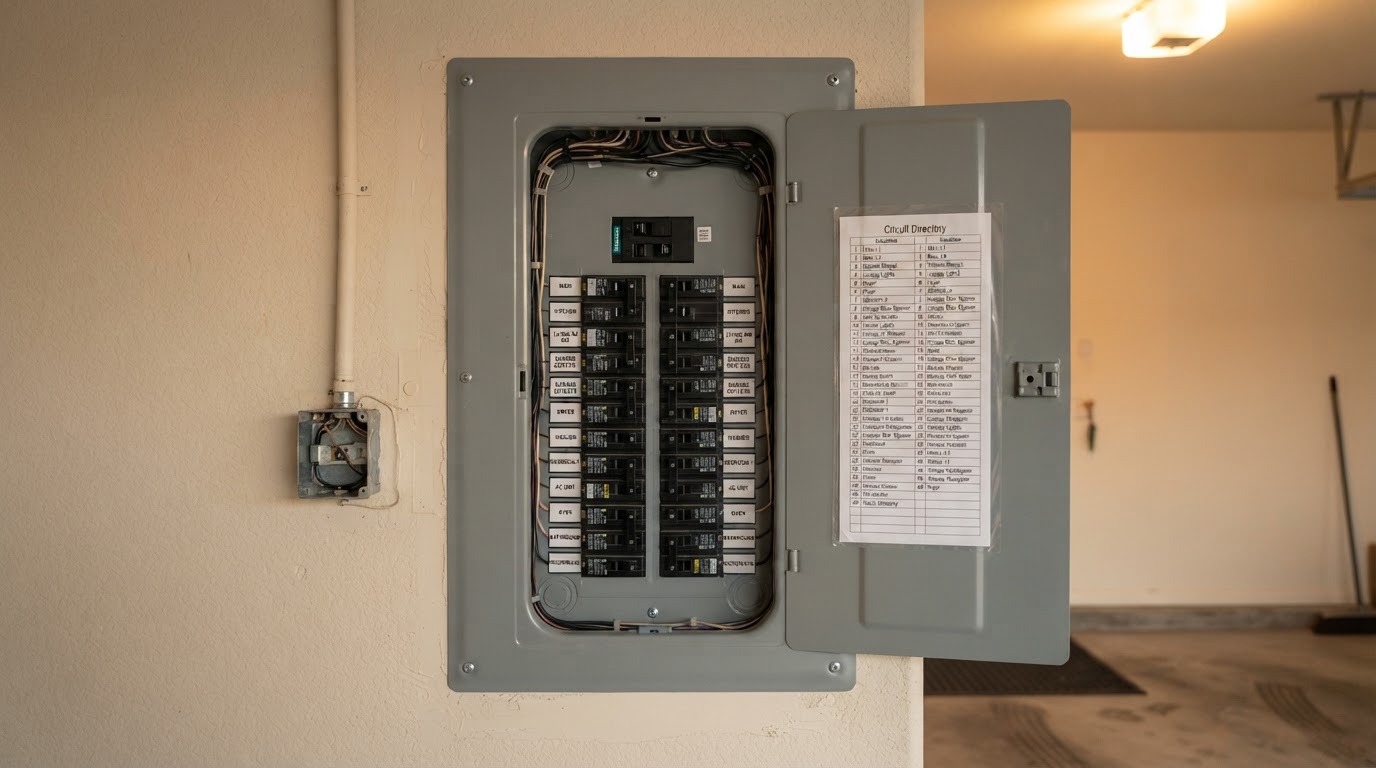
Closed modern residential electrical load center panel on a garage wall with neatly labeled circuit breakers

Edinburg, TX

Electrical Repairs in Edinburg, TX

Flickering lights, dead outlets, and repeated breaker trips all start with a symptom — and the right next step is a diagnosis, not a parts swap. We find the actual cause along the branch circuit before we quote, so the repair matches the real fault instead of the symptom. Tell us what is happening and we will follow up to confirm details and availability.

This is a project inquiry, not a confirmed booking or electrical work contract. Call to confirm urgent availability.

Request a Repair Estimate

Tell us what is happening and where. We'll follow up to confirm details and availability.

Optional text notifications

Consent is not a condition of any purchase. Carriers are not liable for delayed or undelivered messages. See our Privacy Policy and Terms & Conditions.

When should you call for electrical repairs in Edinburg?

A dead outlet, a warm faceplate, a breaker that keeps tripping, or a light that flickers are symptoms — and the same symptom can have three different causes. A tripped GFCI is a reset; a loose backstabbed receptacle is a connection fix; a fault further along the branch circuit is a different repair. We test for voltage and continuity, trace the circuit, and find the cause before we recommend anything, because the fix has to match the real fault.

If you are seeing sparks, smoke, heat, or a burning smell, that is an immediate safety issue — move away from the equipment and call 911. For anything else, a written estimate after an on-site assessment is how we keep the repair honest and the price tied to your actual project.

What does electrical repair service include?

Each block below is its own kind of repair — and each starts with finding the cause before any part is replaced. Not every trip means a bad breaker, and not every dead outlet means rewiring.

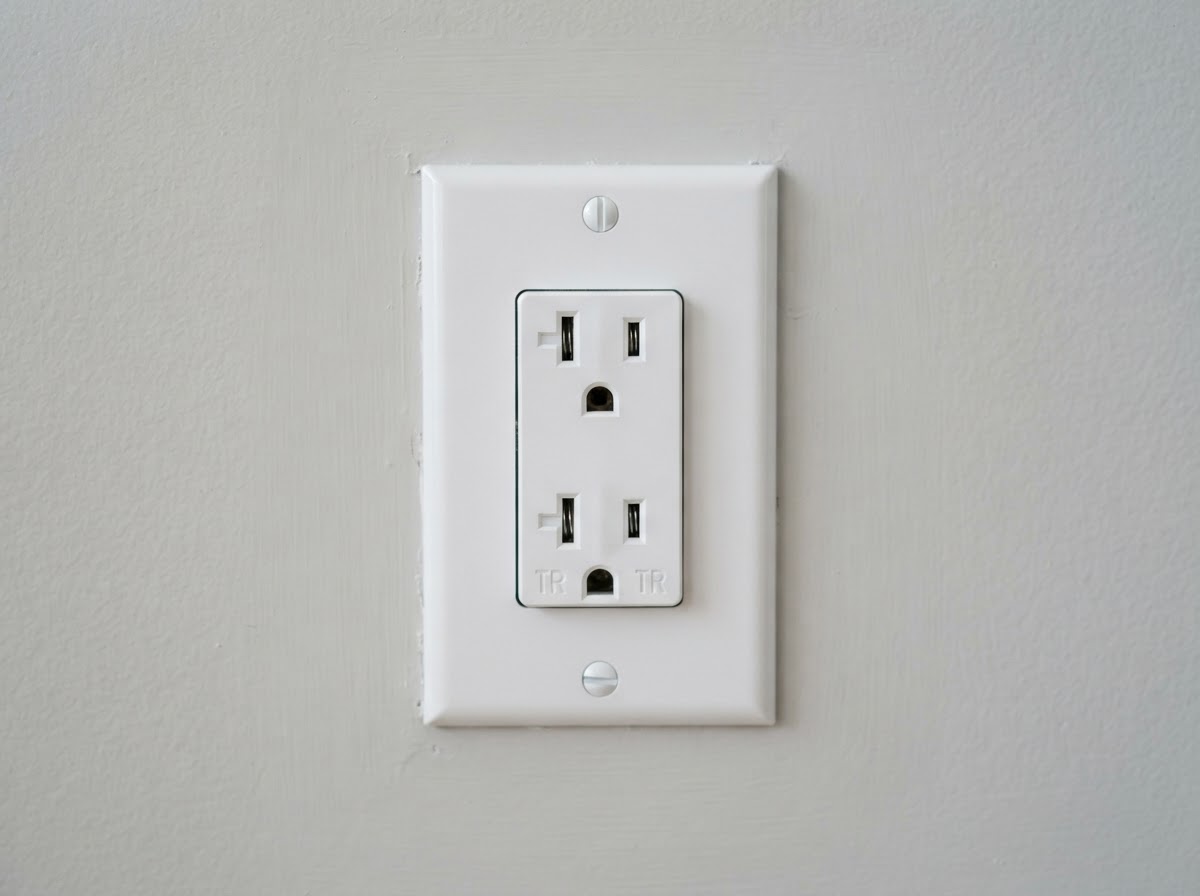
Modern tamper-resistant residential duplex receptacle outlet and a toggle switch on a clean wall

Outlet and switch repair

Dead receptacles, warm faceplates, and switches that work intermittently are the most common repair calls in Edinburg homes and small businesses. The symptom is usually a single device or a short run — a kitchen outlet that went quiet, a hallway switch that only works when you hold it, or a bathroom GFCI that tripped and will not reset.

We test for voltage at the device and along the branch circuit, check the neutral and grounding conductor, and locate the fault before repairing or replacing the failed device or splice inside the junction box. A loose backstabbed receptacle is a connection fix; a failed GFCI is a device replacement — the diagnostic is what tells us which one yours is, so you are not paying to swap parts until it behaves.

A device that holds under load again, with the fault identified and explained before any work is approved — and the honest limit that a tripped GFCI is a reset, not a repair bill.

Neatly labeled circuit breakers inside a residential load center panel

Circuit fault diagnosis

Repeated breaker trips, a circuit that only fails under load, and partial outages usually point to a fault along a branch circuit rather than a bad breaker. The symptom can be an overload, a fault on the run, or a device issue — and they are not interchangeable, so the diagnosis matters before any part is touched.

We trace the affected branch circuit, test continuity and voltage along the run, and separate an overload from a fault from a failed device without opening the panel or touching live conductors. Not every trip means a bad breaker, and not every bad circuit means rewiring — the diagnosis is what keeps the recommendation tied to the real cause rather than a guess at the panel.

A clear explanation of what is actually wrong and repair-vs-upgrade options in writing — so you can decide on the real fix rather than the symptom, with no work scheduled until you accept the quote.

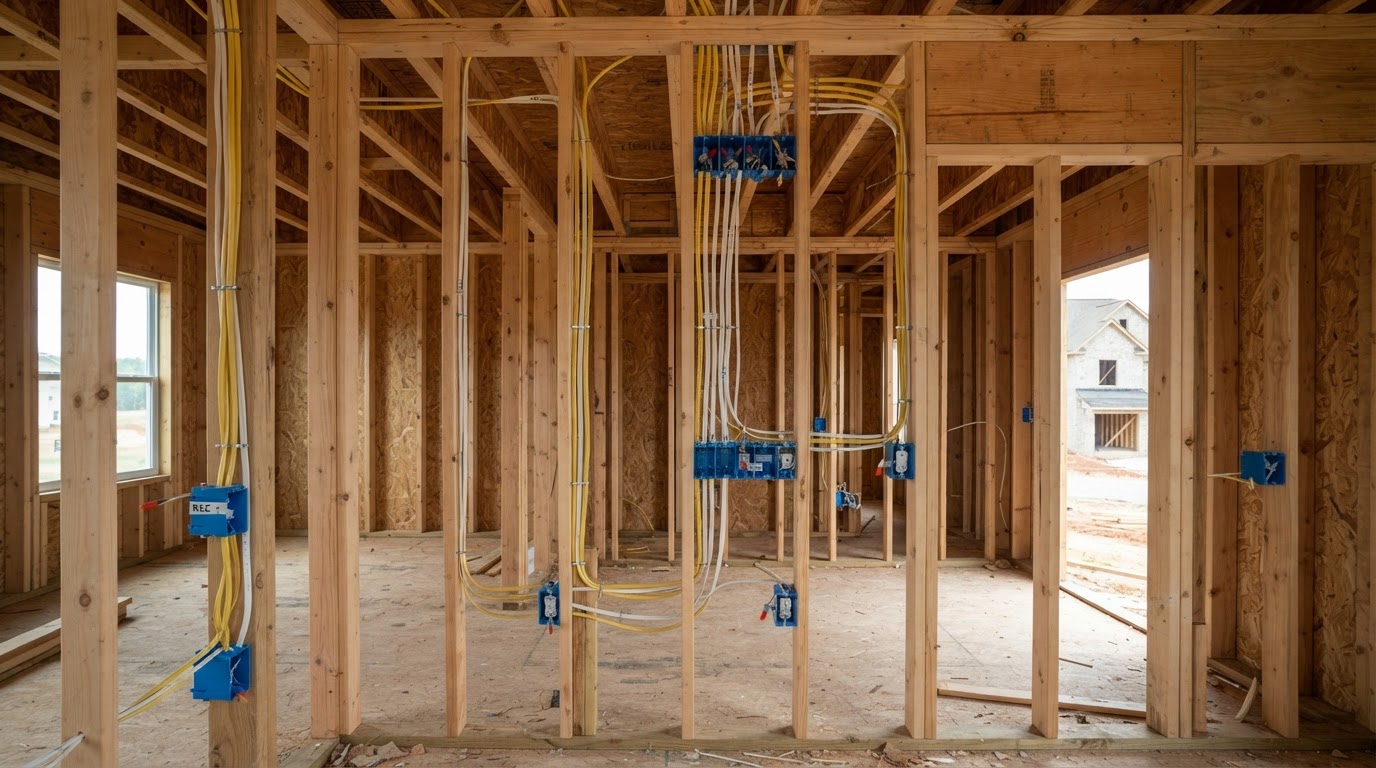
Finished residential room with recessed lighting and a working ceiling fixture

Intermittent light and power faults

Flickering lights, a circuit that works only sometimes, and loads that drop when another appliance starts are intermittent faults that are easy to misread. The cause can be a loose splice in a junction box, a failing dimmer, a shared branch circuit that is overloaded, or a connection further back — and the right next step depends on which one it is.

We assess the circuit and the connected loads together, test the splice points and the device compatibility, and reproduce the symptom under load where we can before recommending work. We distinguish a fixture fault from a supply or circuit issue so you are not replacing a luminaire when the problem is further back — and not rewiring a run when a single splice is the cause.

An intermittent fault identified and fixed at its source, with the circuit tested under load and the cause explained — rather than a guess that comes back when the light flickers again next week.

What should a careful electrical repair assessment cover?

01

Documented diagnosis

Ask how the cause is found before any part is replaced — a tripped GFCI is not a panel problem, and a loose splice is not a breaker upgrade. The documented diagnosis is what keeps the recommendation tied to the real fault.

02

Written scope

Ask for the labor, materials, access, permits, and finish work in writing before the repair is scheduled, so the price follows the scope and you can compare bids apples to apples.

03

Compatible parts

Ask whether the receptacle, GFCI, switch, and breaker are matched to the circuit and the load — so the repair holds under load rather than creating the next fault.

04

Permit and inspection planning

Ask how permits and a final inspection are handled where the repair requires them, and how a contractor assessment differs from a municipal inspection — so the right step happens in the right order.

How does electrical repair work proceed?

1

Affected locations and timing

You tell us what is happening, which devices or circuits are affected, and when it started. We confirm coverage and any diagnostic fee before booking.

2

Professional assessment

On site, we test voltage and continuity, trace the branch circuit, and separate an overload from a fault from a failed device — without opening the panel or touching live conductors.

3

Findings and repair-vs-upgrade options

You get a clear explanation of the cause and written options — repair, replacement, or upgrade — with the honest limit that a panel replacement will not fix a fault on a branch circuit.

4

Written quote

The agreed repair is put in writing with labor, materials, access, permits where required, and any finish work — the price follows the scope, not the other way around.

5

Approved repair

After you accept the quote, the repair is scheduled as a separate step. No work happens until you have approved the scope, and we do not promise restoration before diagnosis.

6

Functional check

We test under load and walk you through what we did and what to watch for — with no guarantee of inspection approval or same-day restoration we cannot make.

What affects the cost of electrical repairs?

Your repair estimate reflects the assessed scope, materials, and access — the drivers below shape it. Diagnosis is separate from repair where applicable, and we confirm charges before booking so there is no surprise.

Diagnostic labor

Time spent finding the cause of a fault — quoted separately from any repair, and confirmed before booking so there is no surprise. Free estimates apply to most planned projects; diagnosis, urgent, and after-hours charges need confirmation.

Device count and type

How many receptacles, switches, GFCI or AFCI devices, or breakers are involved — called out in the quote rather than rolled into one number, so you know what you are paying for.

Concealed damage

Faults hidden behind walls, in attics, or inside enclosed raceways can change the scope once the run is opened. We assess access first and note where concealed conditions may affect the price.

Wall and attic access

How attic, crawlspace, wall cavity, and panel clearance shape the labor and the routing — assessed on site so the price reflects the actual conditions, not a best case that changes when we open it up.

Circuit length and compatible parts

The length of the branch circuit run and the parts matched to the device and the load — so the repair holds under the load it actually carries rather than creating a new problem.

Permit scope and finish repairs

Where the repair requires a permit, the fee is planned as part of the scope; any drywall or trim patching is stated as included or excluded so the quote reflects what the space looks like when we leave.

No price on this page is a binding commitment. Final price is set by the assessed written scope, provided after an on-site assessment — not a flat rate, and not a guess.

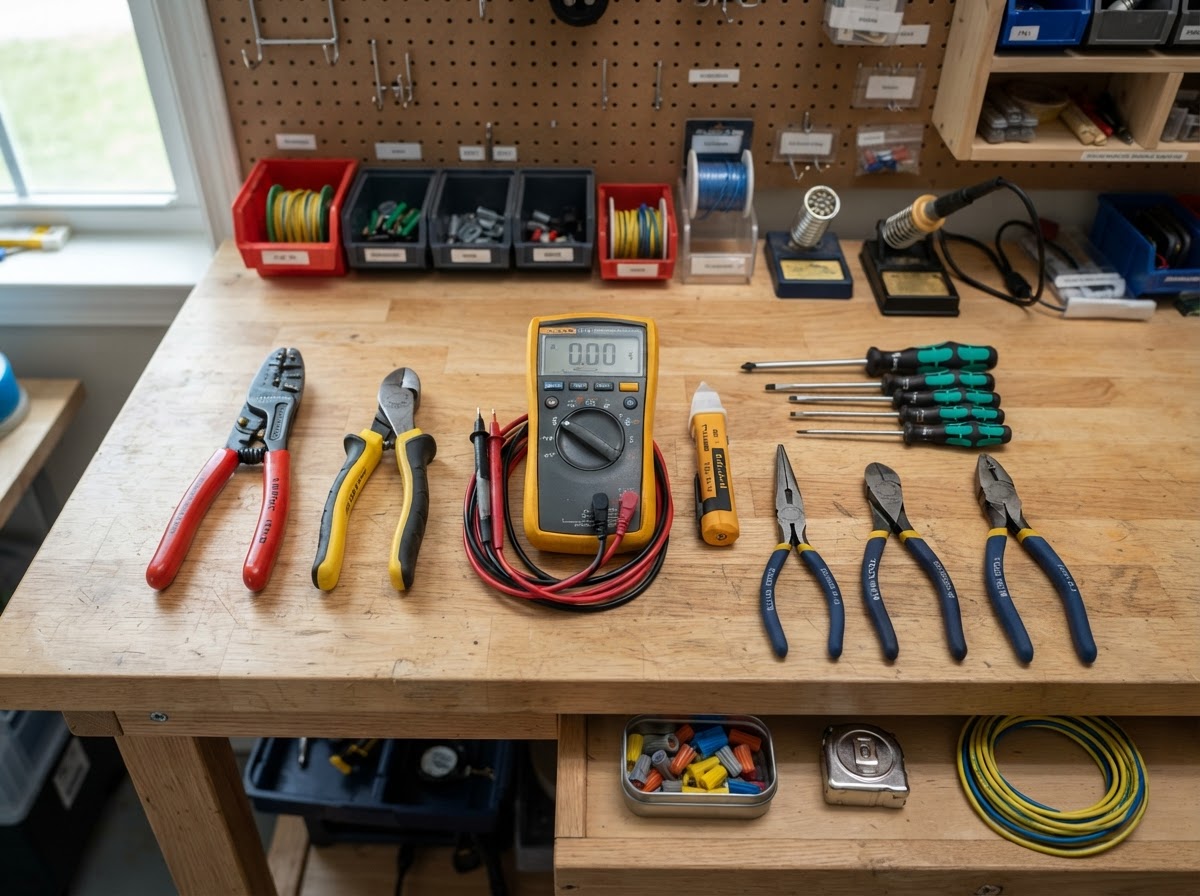
Electrician hand tools and a multimeter laid out on a clean workbench for outlet and switch troubleshooting

Planning electrical repair work in Edinburg, TX

Edinburg sits in Hidalgo County along the US-281 and I-69C corridor, with the UTRGV campus and University Drive anchoring a lot of residential and small-commercial growth. Whether you are off Freddy Gonzalez or closer to the expressway, the repair steps are the same: share the affected locations, assess on site, and scope the repair in writing.

Edinburg lists the 2023 NEC as the adopted code, and permit requirements vary by scope and jurisdiction — we plan them as part of the scope rather than guessing which repairs need one. Access matters too: attic, crawlspace, wall cavity, and panel clearance all change how a repair is done and what it costs, so we look at access before we quote.

A contractor assessment is our on-site review to diagnose and scope; a municipal inspection is a separate step by the city's inspection authority, typically tied to a permit. They are different roles, and one does not replace the other.

Frequently asked electrical repair questions

Why do breakers trip?

+
A breaker trips to protect the wiring — the cause is usually an overload, a fault on the branch circuit, or a failed device, not always a bad breaker. We trace the circuit and separate the three before recommending anything, because the fix has to match the real cause. A larger breaker on wiring not rated for it is unsafe and is not a repair.

Does a dead outlet mean rewiring?

+
Not usually. A dead outlet is often a tripped GFCI, a loose connection, or a failed device on a single branch circuit — not a sign the whole run needs replacing. We diagnose first and scope only what is needed, so you are not rewiring when a splice or a receptacle is the cause.

Can you repair flickering lights?

+
Yes — once the cause is found. Flicker can be a failing dimmer, an incompatible luminaire, a loose splice in a junction box, or a connection further back on the circuit. We test the fixture and the supply together so the repair fixes the actual fault instead of guessing at the luminaire.

What is included in diagnosis?

+
Testing voltage and continuity at the device and along the branch circuit, tracing the affected run, and separating an overload from a fault from a failed device. The diagnostic is its own step and may carry a separate charge, distinct from any repair labor and materials — we confirm that before booking.

Is replacement always necessary?

+
No. A tripped GFCI is a reset, a loose receptacle is a connection fix, and many faults are repaired at the device or splice rather than replaced. We recommend replacement only when the device or run is the actual cause, and we say so in writing before any work is scheduled.

What affects cost?

+
The number and type of devices, circuit length, wall and attic access, compatible parts, any concealed damage, permit scope, and finish repairs. Diagnosis is separate from repair where applicable, and we confirm charges before booking so there is no surprise — your estimate reflects the assessed scope, materials, and access.

When is it urgent?

+
Sparks, smoke, heat, or a burning smell are immediate safety issues — move away from the equipment and call 911 first. For anything else, call us and we will help you decide how urgent it is and whether it needs an on-site visit now or a scheduled assessment. See Emergency Electrician.

Request a repair estimate

Tell us what is happening

Share the symptom, the affected devices or circuits, and the project address. We will follow up to confirm details and availability, then assess on site and send a written estimate. This is a project inquiry, not a confirmed booking or electrical work contract — no work is scheduled until you accept the quote.

Request a Repair Estimate

Tell us what is happening and where. We'll follow up to confirm details and availability.

Optional text notifications

Consent is not a condition of any purchase. Carriers are not liable for delayed or undelivered messages. See our Privacy Policy and Terms & Conditions.

Ready to start?

Choose your next step

Send the symptom and the project address, or call to talk it through first. We follow up by phone to confirm details and availability, then assess on site and send a written estimate — no work is scheduled until you accept the quote.

Request a Repair Estimate

Tell us what is happening and where. We'll follow up to confirm details and availability.

Optional text notifications

Consent is not a condition of any purchase. Carriers are not liable for delayed or undelivered messages. See our Privacy Policy and Terms & Conditions.