FAQ
Electrical Service FAQs for Edinburg Property Owners
Straight answers to the questions Edinburg homeowners and small-business owners ask before starting an electrical project — from estimates and diagnostic fees to emergencies, panel and wiring assessments, permits, and the communities we serve. Each answer links to the service page that owns it when there is more detail.
Hiring an electrician
What services do you offer?
+
Residential and small-commercial electrical work across Edinburg and nearby valley communities: repairs, wiring, lighting, panel upgrades, ceiling fans, generators, surge protection, and safety inspections. Each one starts with an assessment and a written estimate, and no work is scheduled until you accept the quote. See the full services page for how the nine services fit together and which one matches your project.
How do I compare electrician credentials?
+
Ask how someone diagnoses a problem, how they document scope, and how they handle permits and utility coordination — not for generic "best in town" claims. A concrete answer about how a fault gets traced, how a quote gets written, and what happens when a permit is required tells you more than a slogan ever will. We are happy to walk through all three before any visit. See About.
What is the difference between a contractor assessment and city inspection?
+
A contractor assessment is our on-site review to diagnose a problem and scope the work. A municipal inspection is a separate step by the city's inspection authority, typically tied to a permit for work that requires one. They are different roles — we assess and scope, the city inspects permitted work — and one does not replace the other. Knowing which is which keeps you from paying for the wrong step or skipping the one that matters.
Can you guarantee an arrival time?
+
No. We do not promise a specific arrival time through this site. We confirm availability by phone and schedule accepted work as a separate step after a written estimate is accepted, so the timing is real rather than a guess we print on a page. For an urgent issue, call us and we will talk through how soon we can get there honestly.
Quotes and estimates
How do I request an estimate?
+
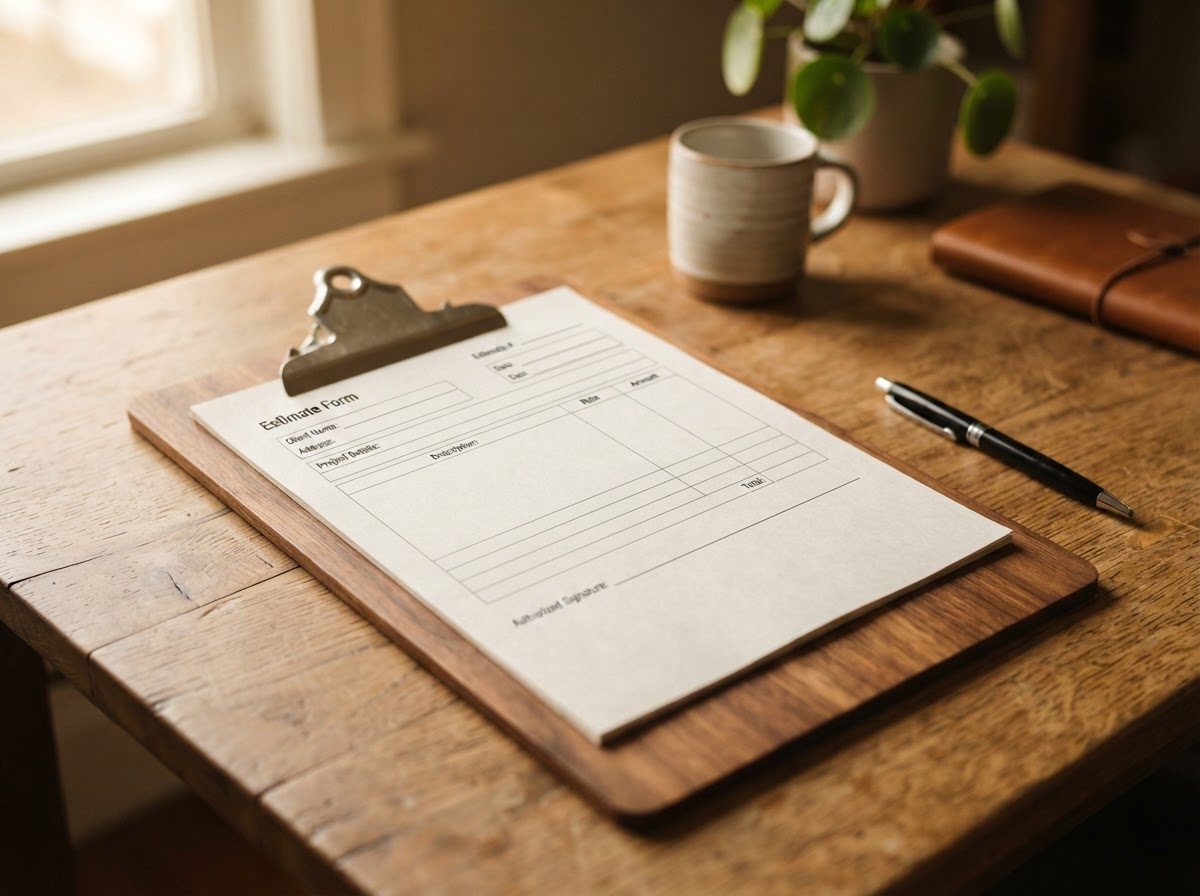
Submit the form on any service page or the contact page, or call (956) 303-2209. We follow up to confirm details and availability, then assess on site so the quote reflects the actual conditions rather than a phone guess. The five fields on the form — name, phone, email, project address, and service request — are what we need to start that conversation.
Are estimates free?
+
A written estimate is provided after an on-site assessment. Troubleshooting can carry a separate diagnostic fee for finding the fault — ask about it before booking so there is no surprise, and so you know what is covered before we start. The written estimate itself follows the assessment and lays out labor, materials, access, permits, and coordination.
Can diagnosis have a separate charge?
+
Yes. Finding the cause of a fault is its own step and may carry a diagnostic fee, distinct from any repair labor and materials. We confirm that with you upfront, and the repair itself is quoted after the cause is identified so you are not paying to guess. A loose connection and a failed device are different fixes, and the diagnostic is what tells us which one yours is.
What should a written quote contain?
+
The work in words, labor, materials, access conditions, permits where required, and any utility coordination — with a price tied to that scope. If a quote rolls everything into one number without explaining what drives it, that is a reason to ask more questions before agreeing. A clear quote also makes it easier to compare bids honestly. See About for how we scope.
What changes the final cost?
+
Labor, materials, wall/attic/panel access, permits, utility coordination, and any diagnostic fee. Final price is set by the assessed written scope — no surprise add-ons after acceptance. The scope, not a template, drives the number, which is why two similar-sounding jobs can quote differently once access and conditions differ.
Urgent issues and outages
What is an electrical emergency?
+
Sparks, smoke, heat, or a burning smell are immediate safety issues. Move away from the equipment, do not touch it, and call 911. For anything else, call us and we will help you decide how urgent it is and whether it needs an on-site visit now or a scheduled assessment. We will not talk you into an emergency call that a scheduled visit would handle. See Emergency Electrician.
Who handles a neighborhood outage?
+
A widespread outage is usually utility-side and belongs with your serving utility or emergency services, not a house electrician. We handle the wiring and equipment on your side of the meter — the outage itself is a utility response, and we will tell you that plainly rather than booking a visit that will not fix it. If only your home is out while neighbors have power, that is a different conversation and worth a call.
What should I do around a downed line?
+
Stay far away from downed lines — they can be energized — and treat the area as dangerous. Call 911 or your utility's emergency line. Downed lines are a utility and emergency response, not a residential repair, and no one should approach them or try to move them. Keep children and pets indoors and well clear until utility crews clear the scene.
Repairs and upgrades
When does a panel need assessment?
+
When it is full, outdated, or no longer holds reliably. We assess the load center, verify grounding and bonding, and recommend replacement only if the panel is the real issue — not as a default answer to tripping. A panel that trips can be pointing at a branch circuit, a loose connection, or an appliance, and replacing the panel will not fix any of those. See Panel Upgrades.
Does a bigger breaker solve repeated trips?
+
No — and it is unsafe to put a larger breaker on wiring not rated for it. Repeated trips can mean an overload or a fault on the branch circuit, and the fix is to find that cause, not to raise the trip point. A breaker that trips is doing its job; silencing it with a bigger one hides the problem and can overheat the wire. See Panel Upgrades.
Can a home need rewiring without a panel replacement?
+
Yes. A branch circuit can need work without replacing the whole panel, and sometimes the panel is the issue while the wiring is fine. We assess both and scope only what is needed, so you do not pay for a full replacement when a circuit repair would do — and so you do not repair a circuit when the panel is what actually needs attention. See Wiring Installation.
What should be checked before adding a circuit?
+
Circuit capacity, conductor size, breaker rating, and equipment compatibility. We confirm the load and the wiring can support it before we quote, so the new circuit is safe under the load it actually carries rather than added on top of an already-loaded run. Adding a circuit without that check is how a new appliance ends up tripping the breaker it shares. See Wiring Installation.
How are indoor and outdoor lighting different?
+
Outdoor and wet-location fixtures need weather-rated luminaires and boxes; indoor work is about dimmers, layout, and circuit compatibility. We match the gear to the location, because a fixture that is not rated for where it is installed is a problem waiting to happen — moisture, heat, and UV all behave differently outside than in. See Lighting Services.
Can any ceiling box hold a fan?
+
No. A ceiling fan is a moving load and needs a fan-rated box and proper mounting. We check the box before hanging anything, because a standard light box is not built to hold a fan and can work loose over time with the motion and vibration. The right box is a small part of the cost and a large part of whether the fan stays quiet. See Ceiling Fan Installation.
Does surge protection prevent outages?
+
No. A surge protective device limits voltage spikes; it does not keep the power on during an outage. For backup power, see generator planning — the two solve different problems, and we will not sell one as the other. Surge protection protects equipment from brief spikes; a generator keeps selected loads running when the utility drops. See Surge Protection.
What is involved in generator planning?
+
A load list of what you want to keep running, a transfer switch, fuel connection, and utility and permit coordination — sized before any equipment is ordered, so the unit matches your backup needs rather than being guessed at and wired up. Oversizing wastes money and fuel; undersizing means the fridge drops when the AC kicks on. The load list is how we avoid both. See Generator Installation.
Permits and service area
Do projects need permits?
+
Permit requirements vary by scope and jurisdiction. Edinburg lists the 2023 NEC, and we plan permits as part of the scope where required rather than guessing which jobs need one — so the permit step is in the quote, not a surprise after the work starts. See Safety Inspections.
Which communities do you serve?
+
Edinburg, McAllen, Pharr, Mission, San Juan, and Alamo. We do not promise a fixed radius or travel time — call to confirm we cover your address and current availability before you plan around a visit. See Service Areas.
Getting started
Are these photos completed customer projects?
+
No. Images on this site are illustrative of service types — not photos of Jonathan Casillas, his crew, or completed customer jobs. We do not use competitor photos or utility-line crews as residential repair imagery, and we will not pass a stock scene off as our work.
What happens after I submit a request?
+
We follow up to confirm details and availability, then assess on site and send a written estimate. Submitting a request is an inquiry, not a confirmed booking or electrical work contract — no work is scheduled until you accept the quote. See Contact.

Still have questions?
Tell us about your project
Submit a request and we will follow up to confirm details and availability, then assess on site and send a written estimate. This is a project inquiry, not a confirmed booking or electrical work contract — no work is scheduled until you accept the quote.
Request an Estimate
Tell us about your project. We'll follow up to confirm details and availability.